Blog

Your blog category

Forgiveness in Christianity: Unlocking God’s Grace, Healing, and Redemption

Forgiveness lies at the very heart of Christianity. It is more than a doctrine—it’s a defining theme woven throughout Scripture, worship, and daily life. For Christians, forgiveness isn’t just a hopeful ideal; it’s a command, a gift, and a source of freedom. From the teachings of Jesus to the biblical practices observed in churches worldwide, forgiveness stands as a living testament to God’s mercy and a call for believers to embrace grace themselves. But what does forgiveness really mean in Christianity? Why is it so central to the faith? And how can believers practice it amid life’s hurts and challenges? This article will explore the roots and realities of forgiveness in Christianity, providing answers to common questions including: You’ll also find biblical examples and practical steps for living a life marked by grace and second chances. What Does Forgiveness Mean in Christianity? At its essence, forgiveness in Christianity is a merciful release—a pardoning of wrongdoing that echoes the forgiveness believers receive from God. Jesus modelled this sacrificial love throughout his life. One of his most profound moments was on the cross, when he prayed for those crucifying him, saying, “Father, forgive them; for they know not what they do” (Luke 23:34). Here, forgiveness is not conditional but given freely, reflecting the boundless mercy of God. The apostle Paul also wrote, “And be ye kind one to another, tenderhearted, forgiving one another, even as God for Christ’s sake hath forgiven you” (Ephesians 4:32). This sets the standard: Christians are to forgive not just because it’s right but because they have first been forgiven. The act of forgiveness isn’t only about letting others off the hook—it’s about releasing ourselves from the burden of bitterness and allowing God’s grace to work in our hearts. Forgiveness also changes communities. Jesus taught his followers to go beyond human instinct for vengeance and practice radical mercy (Matthew 18:21-22). Then came Peter to him, and said, “Lord, how oft shall my brother sin against me, and I forgive him? till seven times?” Jesus saith unto him, “I say not unto thee, Until seven times: but, Until seventy times seven.” This doesn’t mean you keep count; it means forgiveness should become a way of life. Are All Sins Forgiven in Christianity? One of the most reassuring promises of Christianity is the certainty that all sins can be forgiven. God’s forgiveness knows no bounds—as long as the individual truly repents and seeks mercy. The Bible offers this assurance repeatedly: There is, however, an important factor: genuine repentance and faith are essential. God’s forgiveness is a gift offered to everyone, but it must be received with humility and a willingness to turn away from sin. In the parable of the Prodigal Son (Luke 15:11-32), Jesus beautifully illustrates this. The wayward son, after squandering his inheritance, returns home in repentance, and his father welcomes him back with open arms—demonstrating that no wrong is too great to be forgiven if we turn back to God. Some people ask: Are any sins unforgivable? Jesus mentions the “blasphemy against the Holy Spirit” (Matthew 12:31), commonly understood as persistent, wilful rejection of God’s grace. However, this is not a sin people accidentally commit—it is an ongoing refusal of forgiveness itself. How Are Sins Forgiven in Christianity? The Christian understanding of forgiveness is both deeply personal and profoundly communal. The process includes several key elements: 1. Repentance Repentance is more than just regret—it’s a deep, heartfelt sorrow for wrongdoing and an active choice to turn one’s life around. King David’s story is a classic example. After his affair with Bathsheba and the fallout, he wrote Psalm 51, pouring out his remorse and longing for restoration: “Have mercy upon me, O God, according to lovingkindness: according unto the multitude of thy  tender mercies blot out my transgressions” (Psalm 51:1). Repentance involves self-examination, honesty, and a sincere desire for change. 2. Faith in Jesus Christ Central to Christian forgiveness is trust in Jesus and his atoning work. Colossians 1:13-14 says, “ Who hath delivered us from the power of darkness, and hath translated us into the kingdom of His dear Son: In whom we have redemption through his blood, even the forgiveness of sins:” Through Christ’s death and resurrection, the barrier between humanity and God is torn down. It’s not human merit but God’s grace that restores us. 3. Forgiving Others Jesus makes it clear: being forgiven by God and forgiving others are intimately connected. In the Lord’s Prayer (Matthew 6:12), he teaches, “And forgive us our debts, as we forgive our debtors.” To hold onto grudges is to misunderstand the mercy we have received. In the parable of the Unforgiving Servant (Matthew 18:21-35), Jesus warns that refusing to forgive others puts us in danger of experiencing the same judgment we give. 4. Community and Restoration Forgiveness in Christianity also involves restoring relationships—both with God and with others. Early Christians practiced reconciliation as a public matter, demonstrating the healing power of forgiveness to the wider community. What Is the Importance of Forgiveness in Christianity? The value of forgiveness in the Christian faith is immense, affecting every level of a believer’s life: 1. It Reflects God’s Character Forgiveness isn’t just something God does; it’s who He is. By forgiving, Christians display God’s character to the world. Micah 7:18 asks, “Who is a God like unto thee, pardoneth iniquity, and passeth by the transgression for the remnant of his inheritance? He does not retain his anger forever, because he delights in steadfast love.” When believers choose mercy over judgment, they become living testimonies to God’s love. 2. It Heals Relationships Whether between family, friends, or strangers, forgiveness has the power to heal deep wounds. In Joseph’s story (Genesis 50:15-21), after being horribly wronged by his brothers, Joseph forgives them, saying, “… fear ye not: I will nourish you and your little ones. And he comforted them, and spake kindly to them.” This act of mercy brought healing not just to Joseph, but to his entire family. 3. It Frees the Soul Carrying anger and bitterness

Forgiveness in Christianity: Unlocking God’s Grace, Healing, and Redemption Read More »
The Human Cost of the Battle of the Bogside: Casualties, Civilian Impact, and Legacy

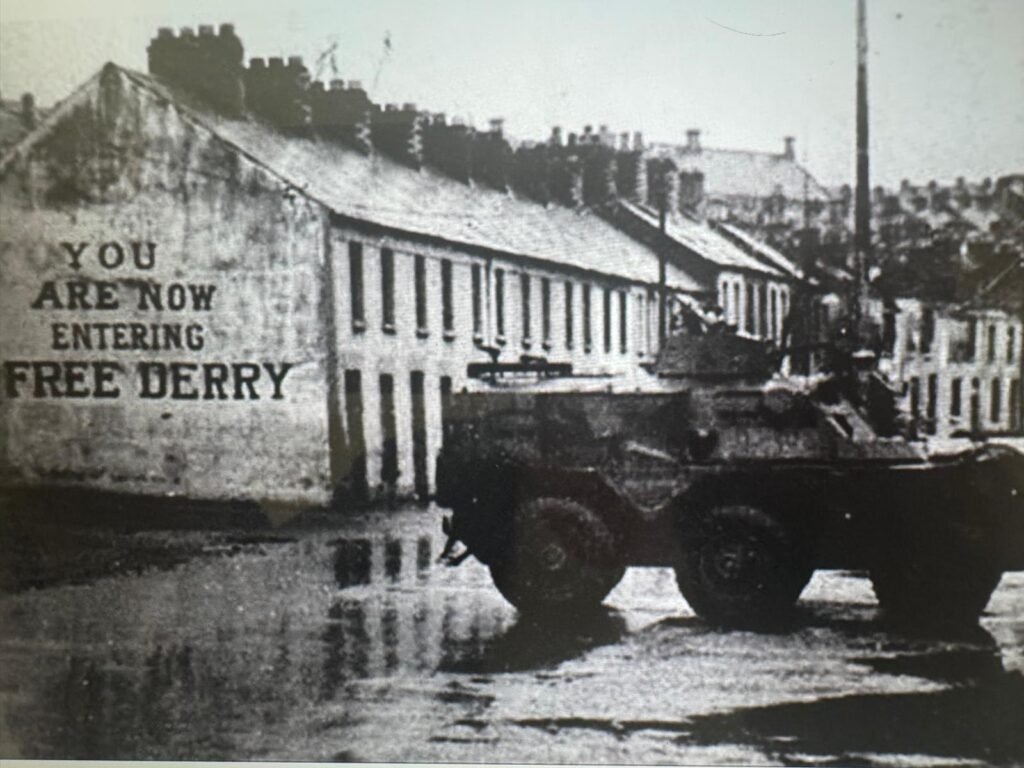
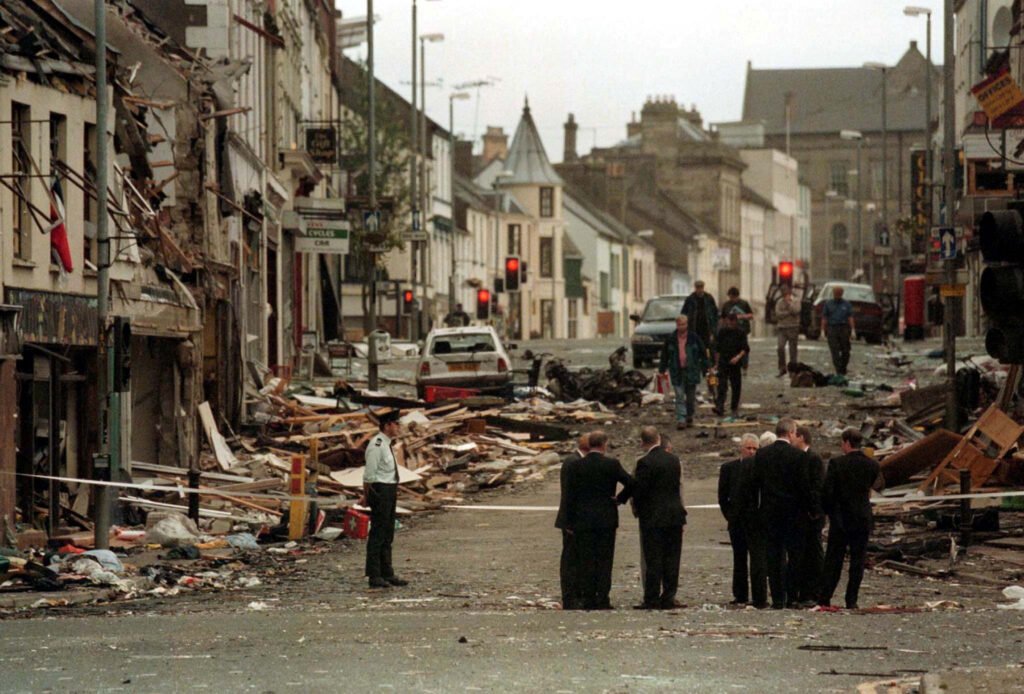
Beneath the political bluster and measured studies of the Battle of the Bogside is a great human cost. This conflict profoundly changed the lives of everyone trapped in its path and turned regular homes into battlefields. Although the numbers of casualties offer some information, they only tell half of the picture; many more lives were altered by later military engagements. One of the most violent periods of urban combat in Western Europe since World War II, the conflict defined this field. Although over 1,000 people were injured during the 1969 Battle of the Bogside, there were no fatalities directly linked to the three-day conflict. But this incident was a major impetus for the Troubles, a struggle that would take over 3,500 lives in the next years. Eyewitness Stories from the Barricades The area was under a tight state typified by terror and siege throughout the Battle of the Bogside. While the continual roar of marching military and yelling mobs limited inhabitants to their houses, tear gas cracked windows. Regular people—storekeepers, kids, senior citizens—found themselves suddenly thrown onto the front lines of a fight they had not chosen. The community exhibited incredible resiliency in the face of pressure. First aid stations set by women treated injuries ranging from tear gas exposure to physical pain resulting from stones and bottles. Together, teenagers and adults maintained barriers; even young youngsters as 10 helped transmit signals between defensive locations. The psychological effect was strong and instantaneous. Once a familiar neighborhood, what had become an alien world of smoke, trash, and danger? Though residents developed sensitivity to the sound of shattering glass, the strong smell of tear gas was a distinct and long-lasting impression. The Death Count: Personal Stories of Loss Although no one died specifically at the Battle of the Bogside, the larger struggle resulted in a terrible death toll. The Claudy blast took the life of an eight-year-old child on the same day as significant military operations in Derry, thereby underscoring how profoundly violence infiltrated ordinary life. Later Bishop of Derry, Father Edward Daly described horrific images of death and injuries, vividly capturing the terrible urban combat that turned a once-quiet residential area into a battlefield. His story gave concrete military activities a human face. To be clear, the Battle of the Bogside did not include Bloody Sunday, an isolated and independent action taking place in 1972. Daily Living Under Siege in No-Go Areas Bogside and other no-go zone inhabitants suffered almost three years of siege-like circumstances from the placement of barriers in 1969 to their ultimate removal. Cut off from usual civic life and under continual military interference, daily activities had to change significantly. Mail delivery, trash collecting, and street maintenance—public services—became erratic or nonexistent, prompting residents to develop their own solutions. Families with children had to deal emotionally with this solitude. Parents battled to keep their feeling of normalcy while justifying the military presence and the difficulties of seeing relatives all across the city. The continual overhead presence of helicopters accentuated the anxiety. The Anxiety of House Searches For many of the population, military rule came with regular house-to-house searches, a very distressing event. These searches compromised families’ privacy and dignity even if they were considered essential for security. Once havens, homes started to be possible locations of strife. Children suffered long-lasting psychological damage as they watched their fathers questioned or incarcerated. Experience of Women: The Unspoken Deaths Many times, the effect of the conflict on women has been disregarded. Women assumed vital responsibilities in administering improvised hospitals, distributing food, and overseeing trauma-related neighbor and kid comfort. Women filled roles typically occupied by males when many men were imprisoned, wounded, or in hiding. This weight contributed to the already great social and financial strains the war generated. Children’s War: Navigating the Troubles Violence was taught to children as the accepted aspect of life. They changed their behavior to minimize risk after learning to identify the sounds of military vehicles and gunshots. Many grew to have a sophisticated political understanding considerably sooner than would have been possible in quiet times. Schooling was regularly disturbed, and instructors had to strike a balance between their academic obligations and the emotional assistance young traumatized required. Economic devastation: Conflict’s material cost Beyond the human cost, the fighting destroyed nearby businesses. Companies shuttered or moved, aggravating existing underprivileged areas’ economic problems and unemployment. Often without insurance, military actions and riot destruction devastated family savings. Small enterprises were stuck between security authorities calling for cooperation and paramilitary organizations barring cooperation and faced hard decisions. Many chose to close rather than negotiate these risks. Psychological and Medical Legacy For many residents, extensive exposure to tear gas caused persistent respiratory problems. Affected many were psychological trauma ranging from post-traumatic stress disorder to depression to drug usage. Operating under extreme restrictions, hospitals were overrun. Resilience in Communities: Solidarity The Bogside community showed amazing camaraderie among the suffering. Neighbors survived by depending on one another, forging relationships that endured far beyond the fighting. Formed during the turmoil, community organizations developed into enduring institutions offering necessary services when the state was absent. Global Sympathy and Support: International Effects Particularly among Irish-American populations, international media coverage of the conflict—especially pictures of British troops firing tear gas against civilians—generated sympathy elsewhere. This produced political and financial backing that shaped the direction of the Troubles. Globally, civil rights groups also drew comparisons with previous movements, therefore exerting pressure for political remedies. Memorializing Trauma: Community Remembrance Oral narratives, memorials, and anniversary celebrations help to honor the war. Peace fences and memorial gardens still define the terrain and guarantee that the human cost is not overlooked. Lessons for Next Generations The Battle of the Bogside emphasizes the terrible results of governmental neglect as well as the pressing need for peaceful dispute settlement. Lessons in compassion and unity still applicable today can be learned from the resiliency displayed by under-pre

The Human Cost of the Battle of the Bogside: Casualties, Civilian Impact, and Legacy Read More »

Military Response to the Bogside Uprising: The Army’s Role and the Impact on London Derry

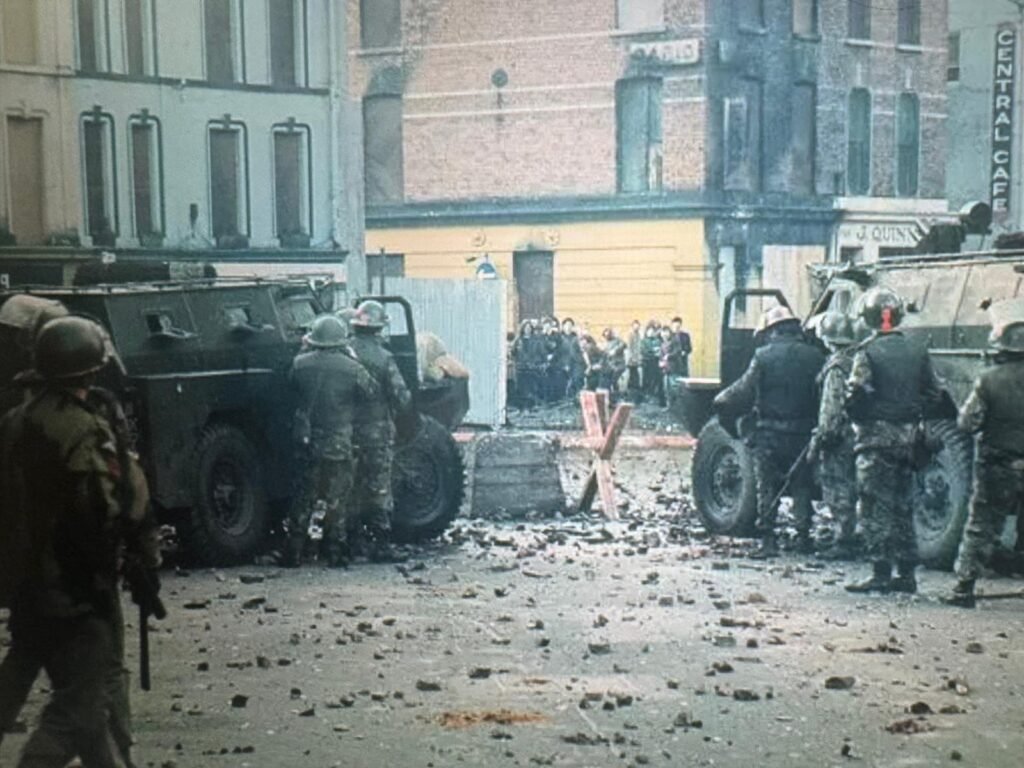
In the predawn darkness of a rain-soaked morning, the people of Londonderry were informed by the boom of IRA sirens that the onslaught on the no-go zones had begun. The massive military operation that followed was intended to illustrate the British government’s determination to regain control of areas that had been essentially out of its control for more than three years and to fundamentally alter the character of the conflict in Northern Ireland. Operation Motorman: Overwhelming Force Deployed In British domestic operations after the war, the scope of the military response was unheard of. Packed into the Brandywell, Creggan, and Bogside areas, over 4,500 troops—or roughly 25% of the total military force headquartered in Northern Ireland—pounced into Not a limited incursion or a police operation, this was a full-scale military invasion meant to smash dissent with overwhelming force. The schedule was carefully considered. The pre-dawn attack in the pouring rain aimed to surprise the defenders and lower planned resistance. Soldiers spilled out of armored vehicles to guard areas that had not been held by British troops since 1969 when the army was first moved in ostensibly to safeguard Catholic settlements from loyalist attacks, minutes after the operation started. Breaking Through: Centurion Tanks and Armored Warfare For the first time in the Northern Ireland conflict, the Army deployed tracked vehicles—giant converted Centurion tanks—to crash through the biggest barricades that had sealed off the no-go areas. The symbolism was as important as the practical effect: these were the same tanks that had served in World War II and Korea, now turned against British citizens in a UK city. The sight of these massive armored vehicles rumbling through the narrow streets of Derry sent a clear message about the state’s determination to reassert control. The barricades that had stood for nearly three years, representing Catholic defiance and community self-defense, were reduced to rubble within hours. The physical destruction of these barriers marked not just a tactical victory but a psychological blow to republican morale. The Power to Search: Military Objectives Achieved Almost instantly, the Army achieved what it had wanted most in the area: the power to search houses for guns, gunmen, and explosives. This had been impossible while the barricades stood and the areas remained under de facto republican control. Now, with overwhelming force deployed and organized resistance crushed, soldiers could move freely through neighborhoods, conducting house-to-house searches without fear of coordinated attack. The military’s freedom of movement represented a fundamental shift in the balance of power. For nearly three years, these areas had operated as autonomous zones where republican organizations could organize, plan operations, and provide sanctuary for their members. The Army’s ability to search at will ended this sanctuary and exposed republican networks to unprecedented pressure. The Missing Enemy: IRA Tactical Withdrawal Despite the massive deployment and preparation for fierce resistance, the Army encountered virtually no opposition. Most of the IRA had simply vanished, having received advance warning of the impending operation. This tactical withdrawal reflected sophisticated republican thinking about asymmetric warfare—there was no point in facing overwhelming force in direct confrontation when the organization could preserve its strength for future operations. The few points where the Army did come under fire resulted in swift and decisive responses. Military commanders claimed at least two gunmen killed and three wounded, though they acknowledged the final toll might be higher. Ambulances were allowed through the tight security ring to carry out the dead and wounded, but the limited nature of the resistance demonstrated that republican strategy had evolved beyond defending fixed positions. Securing the City: Total Military Control The operation extended beyond the Catholic areas to encompass the entire city of Londonderry. Military controls gripped the whole area, with the only entry bridge sealed off to all but a limited number of vehicles. This chokepoint strategy ensured that the Army could control movement in and out of the city, preventing reinforcements from reaching republican defenders and limiting the ability of the IRA to resupply or evacuate personnel. The bridge closure had immediate economic and social consequences for ordinary residents, who found their daily lives severely disrupted by military necessity. There was no indication when normal traffic would be allowed to resume, leaving the civilian population hostage to military priorities and demonstrating their powerlessness in the face of state force. Belfast Operations: Dismantling the Barricade Network The military operation wasn’t limited to Derry. In Belfast, the Army moved simultaneously against barricades in multiple areas. A Catholic barricade in the New Lodge area was dismantled without opposition, while short-lived Protestant UDA no-go barricades also disappeared without trouble. This coordinated approach ensured that republican organizations couldn’t simply shift resources between areas or use one stronghold to support another under attack. The ease with which these barriers were removed demonstrated both the thoroughness of military planning and the effectiveness of overwhelming force. Unlike the gradual erosion of authority that had allowed the no-go areas to develop, the state’s response was swift, decisive, and comprehensive. Political Victory Declared: Secretary’s Assessment Secretary for Northern Ireland William Whitelaw claimed the whole operation was a “total success,” and from a purely military perspective, his assessment was accurate. The Army was moving with complete freedom throughout areas that had been beyond state control for years. The physical infrastructure of republican resistance had been dismantled, and organized opposition had melted away rather than face destruction. Whitelaw’s declaration of success also served important political purposes, demonstrating to both communities that the British state retained the capacity to enforce its will when pushed too far. For unionists, it provided reassurance that the government wouldn’t allow republican areas to remain permanently beyond the law. For republicans, it served as a warning about the consequences of direct confrontation with state power. The Limits of Military Power: Bombing Campaign Continues Even as Whitelaw celebrated military success, events on the same day demonstrated the limitations of purely military solutions. Three bombs planted in cars ripped through the heart of the village of Claudy, close to Londonderry, exploding

Military Response to the Bogside Uprising: The Army’s Role and the Impact on London Derry Read More »

The Battle of the Bogside: Origins, Causes, and Early Clashes of The Troubles in Northern Ireland

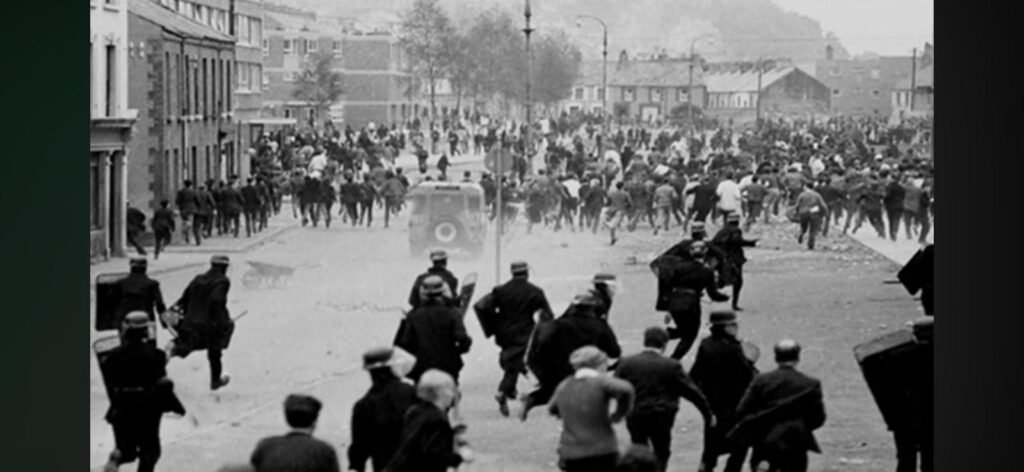
On August 12, 1969, the streets of Derry erupted in violence that would mark one of the defining moments in Northern Ireland’s turbulent history. The Battle of the Bogside wasn’t an explosion of sectarian hatred—it was the inevitable culmination of decades of systematic discrimination, political exclusion, and mounting frustration that had reached a breaking point in this predominantly Catholic city. Seeds of Conflict: Derry’s Divided Society To understand the significance of the Battle of the Bogside, one must first grasp the peculiar circumstances that made Derry a powder barrel waiting to explode. Despite having a substantial Catholic and nationalist majority, the city remained under firm unionist control through a combination of gerrymandered electoral boundaries and property-based voting restrictions that effectively disenfranchised much of the Catholic population. This wasn’t merely political exclusion—it translated into tangible hardships in daily life. Catholic families faced systematic discrimination in housing allocation, employment opportunities, and basic municipal services. The Bogside, a densely populated Catholic area, bore the brunt of this neglect, with substandard housing conditions and limited economic opportunities creating a sense of profound injustice among residents. The Civil Rights Movement Emerges By 1968, frustration had crystallized into organized resistance. The Derry Housing Action Committee emerged as a powerful voice for change, joining forces with the Northern Ireland Civil Rights Association (NICRA) to demand basic equality for Catholics in the city. Their goals were fundamentally moderate: fair housing allocation, equal employment opportunities, and the end of discriminatory voting practices. However, many unionists viewed NICRA with deep suspicion, seeing it not as a legitimate civil rights organization but as a front for radical republican groups seeking to undermine Northern Ireland’s place within the United Kingdom. This perception would prove crucial in escalating tensions, as unionists increasingly viewed any Catholic civil rights demands as existential threats to their political dominance. Violence Erupts: The Prelude to August 1969 The situation deteriorated rapidly in late 1968 and early 1969. Civil rights marches and protests in Derry were met with violent counter-demonstrations by unionists, while the Royal Ulster Constabulary—widely perceived by Catholics as a partisan force—often failed to intervene or protect peaceful demonstrators. When they did act, it was frequently against the civil rights protesters themselves. The authorities’ response was to ban the Civil Rights Association and other protest groups, but this heavy-handed approach only intensified underlying tensions. Rather than addressing the legitimate grievances that had sparked the protests, the bans simply drove frustration underground, where it continued to fester and grow. The Apprentice Boys March: A Calculated Provocation The spark that ignited the Battle of the Bogside came in the form of a seemingly traditional event: the annual march of the Protestant Apprentice Boys of Derry on August 12, 1969. Approximately 15,000 members of this loyalist organization had been granted permission for their customary parade, despite police advice against allowing it to proceed. The march commemorated a historic Protestant victory and followed a route that took it provocatively close to the Catholic Bogside area. For Catholic residents, this wasn’t merely a celebration of Protestant heritage—it was a “calculated insult” that deliberately rubbed their faces in their political subjugation and second-class status within their own city. The symbolism was unmistakable: at a time when Catholics were demanding basic civil rights and facing violent suppression, thousands of Protestants would parade through their neighborhoods celebrating Protestant supremacy and unionist dominance. From Pennies to Petrol Bombs: How Violence Escalated What began as symbolic provocation quickly descended into physical confrontation. Some marchers threw pennies at Catholic residents watching from their homes—a gesture loaded with contempt and designed to humiliate. The Catholic response was swift: marbles fired from slingshots targeted the marchers, marking the first exchange of projectiles. From this seemingly minor incident, violence escalated with frightening speed. Stones began flying from both sides and before long, the more dangerous petrol bombs made their appearance. What had started as mutual taunting had transformed into a full-scale riot that would consume the city for days. The Barricades Go Up: Creating the No-Go Zone As violence intensified, Catholic residents of the Bogside took a fateful step that would define the character of the conflict for years to come: they erected barricades to seal off their neighborhood from both the marchers and the forces of the state. These makeshift barriers, constructed from whatever materials could be found, represented more than mere defensive measures—they were a declaration of independence from a state that Catholics felt had utterly failed to protect their rights and interests. When members of the Royal Ulster Constabulary arrived at these barricades, they found themselves facing not just physical obstacles but the organized resistance of an entire community. The police response was to flood the area with tear gas, turning the Bogside into a chemical warfare zone where residents struggled to breathe in their own homes. Three Days That Changed Everything For three grueling days, from August 12 to 14, 1969, the Battle of the Bogside raged. Catholics fought running battles with the RUC, defending their barricades while enduring constant bombardment with tear gas. The police, for their part, found themselves facing an unprecedented challenge: an entire neighborhood in open revolt against state authority. The intensity of the conflict can be measured in its human cost—over 1,000 people were injured during those three days. But the deeper significance lay in what the battle represented: the complete breakdown of any Catholic faith in the Northern Ireland state’s ability or willingness to treat them fairly. A Turning Point in History The Battle of the Bogside marked a crucial turning point in Northern Ireland’s history. When the British Army was finally deployed on August 14 to restore order, it represented not just the end of three days of rioting but the beginning of what would become known as The Troubles—a conflict that would consume Northern Ireland for the next three decades. The events of August 1969 demonstrated that the old system of unionist dominance and Catholic acquiescence was no longer sustainable. The civil rights movement had awakened a political

The Battle of the Bogside: Origins, Causes, and Early Clashes of The Troubles in Northern Ireland Read More »

Northern Ireland's Troubles

Understanding Northern Ireland’s Troubles Through Personal Memoirs

The history of Northern Ireland’s Troubles is deeply complex, defined by decades of conflict, resilience, and a yearning for reconciliation. While historical records lay out the facts, they often fail to convey the human stories that are central to understanding such a turbulent period. Personal memoirs bridge this gap, providing profound insights into Northern Ireland’s Troubles. Through firsthand experiences, they illuminate the emotional journeys of resilience and personal redemption, giving readers a deeper grasp of the conflict’s impact on individuals and communities. This blog explores the role personal memoirs play in offering a unique understanding of Northern Ireland’s Troubles. By examining themes of perseverance, transformation, and healing, we uncover the lessons these stories provide for both historical understanding and personal growth. A Closer Look at Northern Ireland’s Troubles Northern Ireland’s Troubles, a prolonged period of political and sectarian conflict, spanned from the late 1960s until the signing of the Good Friday Agreement in 1998. The conflict divided communities along unionist and nationalist lines, with unionists aligning with British identity and most nationalists identifying as Irish. Over three decades, Northern Ireland’s Troubles resulted in over 3,500 deaths, countless injuries, and a fractured society. Understanding the climate of fear, mistrust, and violence that enveloped daily life during Northern Ireland’s Troubles is essential. Yet, facts and figures alone cannot truly convey what it meant to live through this conflict. Personal memoirs add an invaluable human dimension to the historical narrative, offering intimate accounts of survival, loss, and the quest for peace. The Human Lens of Memoirs Unlike traditional historical works, personal memoirs provide a close-up look at the lives of individuals who directly experienced Northern Ireland’s Troubles. These stories bypass political abstractions, offering readers emotional connections to the events. Memoirs such as A Shared Home Place by Seamus Mallon highlight the challenges of acting as peacebuilders in a divided society. Similarly, Jennifer Johnston’s Shadows on Our Skin, though fictional, reflects the harsh realities children faced during Northern Ireland’s Troubles. Narratives like Johnston’s shine a light on how everyday life was shaped by violence, fostering a deeper understanding of the emotional and psychological impact on ordinary citizens. Themes of Resilience During Northern Ireland’s Troubles The Endurance of the Human Spirit One of the recurring themes in memoirs from Northern Ireland’s Troubles is resilience. Living against a backdrop of bombings, barricades, and community tensions, individuals demonstrated incredible strength just to carry on. For example, Father Denis Bradley’s accounts of his peacebuilding efforts showcase resilience in the face of hostility. Acting as a mediator during Northern Ireland’s Troubles put his life at risk; yet, Bradley remained unwavering, committed to fostering understanding and dialogue. Memoirs like his remind us that resilience is about pushing forward, despite immense challenges, to pursue a vision of peace. Such stories of perseverance resonate across time and borders, reminding us of humanity’s remarkable ability to endure adversity while striving for better outcomes. Redemption Amid Turmoil Another key theme in memoirs of Northern Ireland’s Troubles is redemption. These works often explore how individuals sought to reconcile with their past and contribute to the healing process within their communities. Richard Moore’s Can I Give Him My Eyes? offers a profoundly moving example of personal redemption and forgiveness. Blinded as a child by a soldier during Northern Ireland’s Troubles, Moore chose to forgive the man who caused his injury, fostering a friendship that highlights the power of reconciliation. His story underscores that redemption is not just personal but communal, offering a path to collective healing. These narratives reveal that even amid profound loss, individuals can find transformation and contribute to mending the fractures in society. Emotional and Educational Insights Into Northern Ireland’s Troubles Memoirs from Northern Ireland’s Troubles are invaluable not only for their emotional depth but also for their educational impact. They provide unique insights into the era, inspiring empathy while also encouraging critical thought. Lessons in Understanding Through Emotion The personal and emotional elements found in memoirs create lasting impressions that pure historical recounting often cannot match. For instance, Marie Jones’ A Night in November portrays the deep-seated prejudice and identity struggles that marked family and societal dynamics during Northern Ireland’s Troubles. The heart-wrenching experiences of her characters resonate with readers, forging emotional connections that enhance understanding of the intricacies of divided communities. Memoirs like these are a tangible way to connect younger generations with history, helping them grasp not just the facts, but the lived realities of those impacted by Northern Ireland’s Troubles. Encouraging Critical Reflection Beyond emotional engagement, personal memoirs also provide tools for critical thinking. Works such as Patrick Radden Keefe’s Say Nothing interweave personal narratives with historical analysis of Northern Ireland’s Troubles, challenging readers to grapple with the complexities of loyalty, betrayal, and justice within the context of conflict. Keefe’s examination of events invites readers to question existing narratives and reflect on the long-term implications of political strife. By presenting subjective perspectives, these memoirs enrich the conversation about history, creating a more layered and comprehensive understanding of the conflict. The Continued Relevance of Northern Ireland’s Troubles Although Northern Ireland’s Troubles formally ended with the Good Friday Agreement, the lessons from this period remain profoundly relevant. Across the globe, societies wrestle with political divisions, ethnic strife, and the challenges of rebuilding in the wake of conflict. Memoirs from Northern Ireland’s Troubles offer powerful guidance for navigating these struggles. The resilience and redemption showcased in personal accounts provide blueprints for addressing the wounds that conflict can leave behind. They emphasize the importance of empathy, understanding, and compromise. Richard Moore’s focus on forgiveness and Seamus Mallon’s dedication to peace serve as reminders that healing requires emotional bravery and persistence. Personal Memoirs as Bridges to History Understanding Northern Ireland’s Troubles through personal memoirs goes beyond learning historical facts; it’s about connecting with the human stories that define history. By exploring these narratives, readers encounter themes of endurance, reconciliation, and growth that transcend time and place. Memoirs like A Shared Home Place by Seamus Mallon, Shadows on Our Skin by Jennifer Johnston, and Can I Give Him My Eyes? by Richard Moore provide both educational and emotional value,

Understanding Northern Ireland’s Troubles Through Personal Memoirs Read More »

historical memoirs

Educational Lessons Hidden in Historical Memoirs

Historical memoirs offer more than captivating personal stories; they serve as profound educational tools. By shedding light on individual experiences set within significant historical events, these memoirs reveal valuable insights about resilience, personal redemption, and emotional journeys. They enhance our understanding of history through deeply human narratives, bridging the gap between facts and empathy. This article explores the educational impact of historical memoirs, with examples from Northern Ireland’s Troubles and other pivotal moments. You’ll discover how these stories help us develop critical thinking, compassion, and a deeper connection to our shared past. The Educational Power of Historical Memoirs How Memoirs Provide an Educational Impact Historical memoirs connect personal experiences to broader historical events, offering readers relatable insights that textbooks often fail to deliver. They illustrate resilience by highlighting how individuals endured adversity and adapted to challenges. For instance, Anne Frank’s The Diary of a Young Girl provides a deeply personal perspective on the Holocaust. Through her pages, we experience the fears and hopes of a young girl, making the realities of this historical atrocity tangible and relatable. These emotional narratives stick with readers, fostering both understanding and empathy. Emotional Journeys Make History Memorable Experiencing history through someone’s emotional journey transforms abstract facts into concrete stories. Frank McCourt’s Angela’s Ashes is a striking example. His memoir captures the daily struggles of growing up in poverty-stricken Ireland, offering readers a vivid glimpse of economic hardship that statistics alone could never convey. The emotions embedded in these stories help readers connect to historical events on a deeper level. By walking alongside McCourt’s challenges and triumphs, we not only learn about the era’s social issues but also develop compassion for those living through similar struggles today. Northern Ireland’s Troubles and Educational Insights Lessons of Resilience During Conflict Memoirs centered on Northern Ireland’s Troubles offer profound lessons in resilience and reconciliation. This 30-year period of conflict serves as a backdrop for stories that highlight survival, endurance, and the capacity for healing. Patrick Radden Keefe’s Say Nothing illustrates the personal cost of conflict while drawing attention to the intricate web of political, cultural, and personal struggles involved. These narratives teach us the importance of resilience during dark times and underscore the human capacity for growth amid turmoil. Stories of Personal Redemption One of the most powerful elements in historical memoirs is the theme of redemption. They serve as reminders that even in times of despair, personal growth and societal healing are possible. Nelson Mandela’s A Long Walk to Freedom is a perfect example. Through his story of transformation during imprisonment, Mandela teaches lessons on forgiveness, patience, and determination. His personal redemption mirrors South Africa’s broader reconciliation, proving that individual resilience can align with national healing. Memoirs as Educational Resources Practical Lessons for Educators Historical memoirs provide educators with tools to make history lessons more engaging and relatable. By incorporating memoirs into curriculums, students develop a personal connection to past events. For instance, pairing Anne Frank’s diary with World War II lessons allows students to see the human toll of global conflict. Critical Thinking Through Personal Narratives Memoirs encourage readers to examine historical events critically. Comparing personal accounts, like Elie Wiesel’s Night, with official narratives fosters discussions about bias, perspective, and the complexity of historical truths. Fostering Empathy and Awareness Memoirs like Malala Yousafzai’s I Am Malala expand readers’ understanding of global issues like education equality and cultural barriers. These works inspire discussions on modern problems, highlighting the relevance of historical lessons in today’s world. Connecting Past Lessons to Present Challenges Historical memoirs transcend time, showing us how lessons from the past can inform our responses to modern challenges. Mandela’s story of reconciliation and forgiveness, for instance, continues to inspire approaches to conflict resolution today. By engaging deeply with stories rooted in resilience, personal redemption, and emotional journeys, we not only understand history better but also find practical guidance for our own struggles. Final Thoughts on Historical Memoirs’ Educational Impact Historical memoirs like Night, Angela’s Ashes, and A Long Walk to Freedom remind us that history is more than just a series of events. It is the story of humanity’s shared resilience and redemption. These personal narratives bring history to life, teaching lessons that inspire compassion, critical thinking, and personal growth. By exploring these works, we gain not only historical knowledge but also insights into ourselves and the world around us. The educational impact of historical memoirs lies in their ability to move us beyond rote learning, connecting our present to the lessons of the past in meaningful and lasting ways.

Educational Lessons Hidden in Historical Memoirs Read More »

Spiritual Renewal

10 Steps to Spiritual Renewal for a Fresh Start

Life can be overwhelming, with each day presenting its own unique challenges. Whether it’s the weight of daily stress, emotional struggles, or a sense of disconnect from your faith, spiritual renewal can act as a pathway to healing and hope. This process, deeply rooted in faith, resilience, and transformation, offers the chance to rejuvenate your spirit and draw closer to God’s purpose for your life. If you’ve been asking, “What is spiritual renewal?” or wondering how to embark on this life-changing journey, this guide will provide clarity and actionable steps. Through prayer, self-reflection, and aligning with Biblical principles, you can take steps toward a fresh start. Step 1: Reflect on Your Current Spiritual State The first step to spiritual renewal is self-awareness. Take some time to evaluate where you currently stand spiritually. Are there areas of your life that feel disconnected from God’s presence? Do you find it hard to focus during your prayer time or feel distant from the joy your faith once brought you? Journaling can be a helpful tool during this phase. Write down your thoughts on your spiritual challenges and what you hope to gain through renewal. Being honest will pave the way for meaningful change. Step 2: Seek Guidance Through Prayer for Spiritual Renewal Prayer is one of the most powerful tools for reconnecting with your faith. A heartfelt conversation with God can pave the way for healing and clarity. The Bible often highlights the power of prayer in restoring the soul. For example, Psalm 51:10 says, “Create in me a pure heart, O God, and renew a steadfast spirit within me.” Make it a habit to pray daily for spiritual renewal. Ask God for direction, strength, and a fresh perspective. Even a few moments of prayer in the morning or evening can transform your outlook and deepen your relationship with God. Step 3: Meditate on What the Bible Says About Spiritual Renewal The Bible is filled with verses that emphasize God’s desire for us to live renewed lives. Romans 12:2, for instance, encourages believers not to conform to the patterns of this world but to be transformed by the renewal of their minds. This transformation stems from immersing yourself in Scripture and allowing its teachings to guide your decisions. Dedicate time each day to reading the Bible. Choose passages that resonate with the theme of renewal, such as Isaiah 40:31, which promises that “those who hope in the Lord will renew their strength.” Step 4: Identify and Release Emotional Baggage Resilience often starts with letting go. Spiritual renewal requires releasing the emotional clutter that holds you back. Resentment, grudges, and unhealed wounds can keep your spirit in a state of unrest. Through prayer and reflection, identify the areas of your life where you need to forgive others or seek forgiveness for yourself. Remember, forgiveness is not about condoning hurtful actions; it’s about freeing yourself from their hold. Step 5: Fast for Clarity and Connection Fasting is another powerful practice for spiritual renewal. It involves giving up certain comforts, such as food or technology, for a set period to draw closer to God. Fasting isn’t just about sacrifice; it’s about intentionality. It clears away distractions and allows you to focus on God’s presence in a profound way. Before starting a fast, pray for guidance to ensure your intentions align with God’s will for your life. Use this time to meditate on Scripture and deepen your connection with God. Step 6: Reconnect with a Supportive Spiritual Community Spiritual renewal often flourishes within the context of community. Surrounding yourself with others who share your faith can provide encouragement, accountability, and inspiration. Reach out to your local church or faith-based group and participate in Bible studies, prayer meetings, or volunteer opportunities. Galatians 6:2 reminds us to “carry each other’s burdens,” emphasizing the importance of community in our faith journeys. Sometimes, sharing your struggles and triumphs with others can lighten the load and renew your spirit. Step 7: Develop a Habit of Gratitude Gratitude is a powerful antidote to negativity. By focusing on the blessings in your life, you can shift your perspective and reignite your sense of hope. Start a gratitude journal where you list three things you’re thankful for each day. These can range from small moments, like a kind smile, to larger blessings, like answered prayers. 1 Thessalonians 5:18 advises us to “give thanks in all circumstances,” underscoring gratitude as a central part of spiritual renewal. Step 8: Create a Sacred Space for Worship and Reflection Having a dedicated space at home for prayer, meditation, or reflection can deepen your spiritual experience. It doesn’t have to be elaborate; a quiet corner with a Bible, a journal, or other inspirational items is enough. This space can serve as your personal retreat for connecting with God. Consider adorning it with reminders of God’s promises—Scripture quotes, a cross, or family photos that inspire you. Returning to this space regularly can create a sense of solace and renewal. Step 9: Pursue Acts of Service and Kindness Serving others is a Biblical principle that not only uplifts those around you but also renews your own spirit. Volunteering at your church, helping a neighbor in need, or providing emotional support to a friend are ways to act out your faith. Proverbs 11:25 emphasizes the blessings of generosity, stating, “A generous person will prosper; whoever refreshes others will be refreshed.” Through serving others, you’ll discover a deeper sense of purpose and fulfillment. Step 10: Trust the Process and Stay Consistent Spiritual renewal is not an overnight transformation—it’s a lifelong process that requires consistency and trust in God’s timing. There may be days when you don’t feel progress, but that’s okay. The Bible encourages believers to persevere and remain steadfast in their faith. Galatians 6:9 reminds us, “Let us not become weary in doing good, for at the proper time we will reap a harvest if we do not give up.” Stay faithful in your practices, and don’t shy away from seeking help

10 Steps to Spiritual Renewal for a Fresh Start Read More »